
Building & Pest inspections are one of the most important — and often misunderstood — steps in a Queensland property transaction.
They are not about finding a perfect property. They are about understanding risk before committing unconditionally to the purchase of a property.
Below is a practical breakdown of how Building & Pest inspections work in Queensland, what they include, and how to respond strategically.
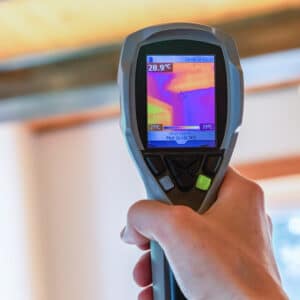
Legal Framework in Queensland
In Queensland, most residential property Contracts of Sale include a “Subject to Building and Pest Inspection” condition. In the standard REIQ Contract of Sale, this condition is typically located on page 3 under the special conditions relating to buyer protections.
This clause gives the buyer a defined period — typically 7 days — to conduct inspections and assess the results.
During this timeframe, the buyer may:
Arrange inspections with licensed professionals
Review the findings and seek clarification, if needed
Renegotiate the purchase price and/or terms if major structural defects are identified
Terminate the contract if necessary
The inspection is arranged and paid for by the buyer, as the condition exists for the buyer’s protection. The buyer is assuming long-term ownership risk and therefore conducts independent due diligence before committing unconditionally.
Once the contract becomes unconditional, financial and structural risk shifts to the buyer. Without this clause included prior to signing, the buyer is generally bound to proceed regardless of later discoveries.
The wording of the clause, the timeframe, and the definition of “major structural defect” can materially affect the buyer’s rights. Inspection strategy should therefore form part of the negotiation process.
What Is Included in a Building & Pest Inspection?
1. Building Inspection.
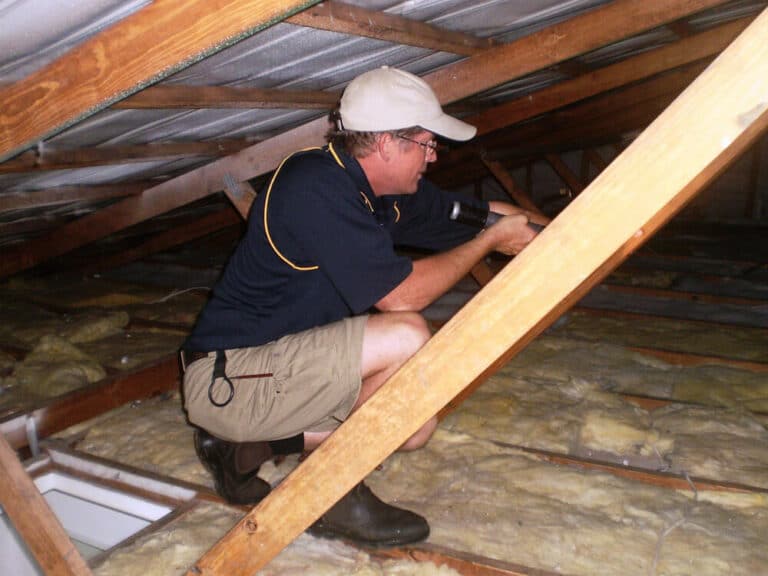
This focuses on structural integrity and overall condition, including:
- Foundations and footings, including signs of movement or cracking
- Framing and structural walls
- Roof structure and coverings
- Drainage, water penetration and moisture issues
- Safety hazards
2. Pest Inspection.
Queensland’s climate makes termite risk a genuine consideration. This is further heightened by the fact that timber is one of the primary materials used in residential construction across the state.
The pest inspection assesses:
Active termite activity
Evidence of previous termite damage
Timber decay
Conditions conductive to infestation
How Serious Are the Issues Identified?
Almost every property inspection report will contain findings. The critical distinction is whether those findings constitute major structural defects or relate to minor maintenance items.
1. Major structural defects.
Major defects impact the integrity, safety, or long-term performance of the property and may justify renegotiation or termination under the contract. These may include:
- Significant foundation movement
- Major structural cracking
- Extensive termite damage
- Serious water penetration affecting structural elements
2. Minor maintenance items.
Such items are common and typically form part of normal property upkeep. They do not usually justify renegotiation. These may include:
- Hairline cracks in plaster/walls
- Loose tiles
- Worn sealants
- Minor timber weathering
- General ageing
What Should You Do After Receiving the Report?
Receiving a Building & Pest report should prompt analysis — not alarm.
A structured approach includes:
- Reviewing the severity classifications carefully.
- Speaking directly with the inspector to clarify concerns.
- Assessing potential repair costs if necessary.
- Deciding whether to proceed, renegotiate, request repairs, or terminate.
In many cases, reports confirm that the property is generally sound with manageable maintenance items. Where serious defects are identified, the inspection provides leverage to renegotiate or exit before the contract becomes unconditional.
What If You Waive the Inspection?
Waiving a Building & Pest condition may strengthen an offer, but it removes an important layer of protection for the buyer.
Once the contract is unconditional, any structural or termite issues become the buyer’s responsibility. Seller-provided reports — common in auction sales — can be informative, but independent verification ensures impartial assessment and proper risk management.
Should Sellers Also Consider a Pre-Sale Inspection?
Building & Pest inspections are not exclusively for buyers.
Some sellers choose to commission a pre-sale inspection before listing their property. This approach can identify issues early, allow minor repairs to be completed prior to marketing, reduce negotiation friction during the conditional period, minimise contract fallovers, and increase buyer confidence.
Proactive transparency often strengthens credibility and supports a smoother, more controlled transaction process.
If you’re considering buying or selling in Brisbane and want guidance on how to structure your contract conditions and inspection strategy effectively, feel free to get in touch.